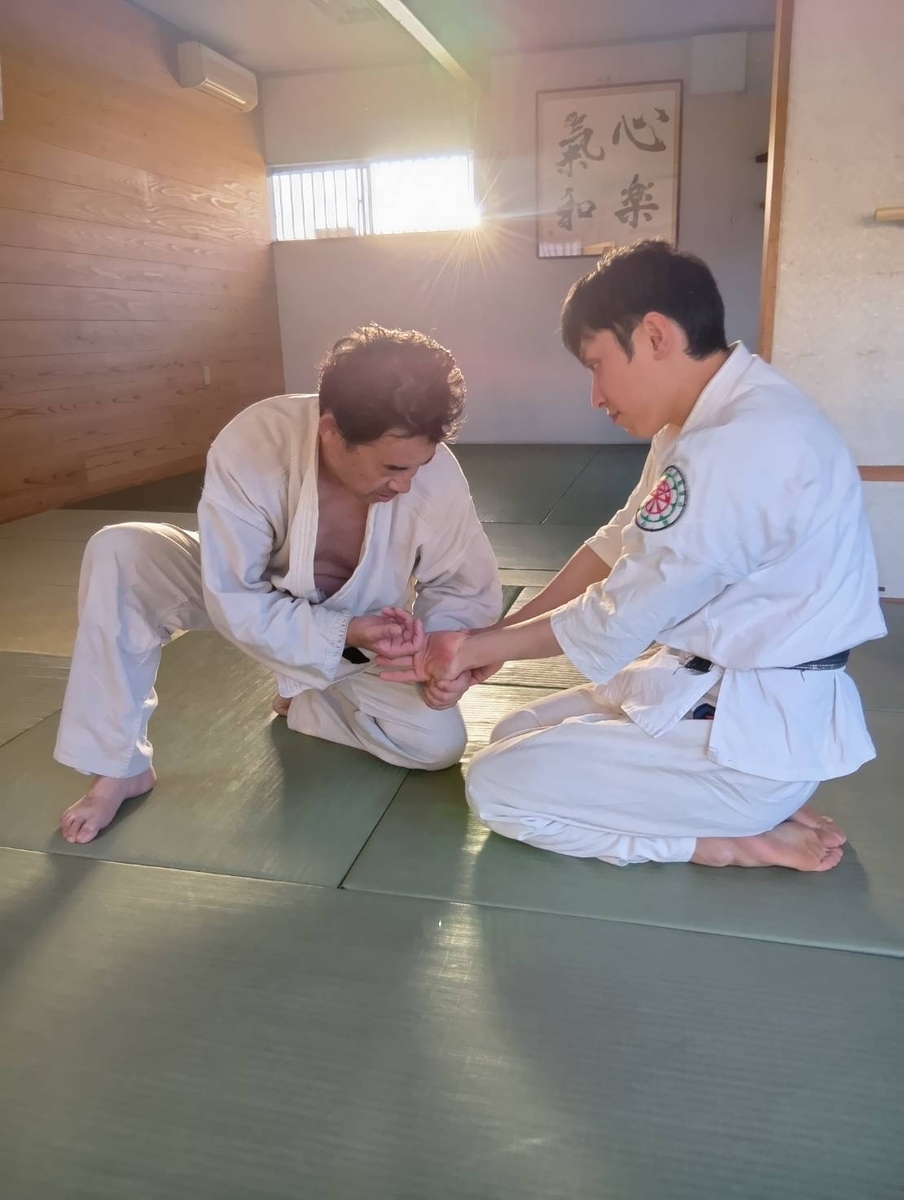
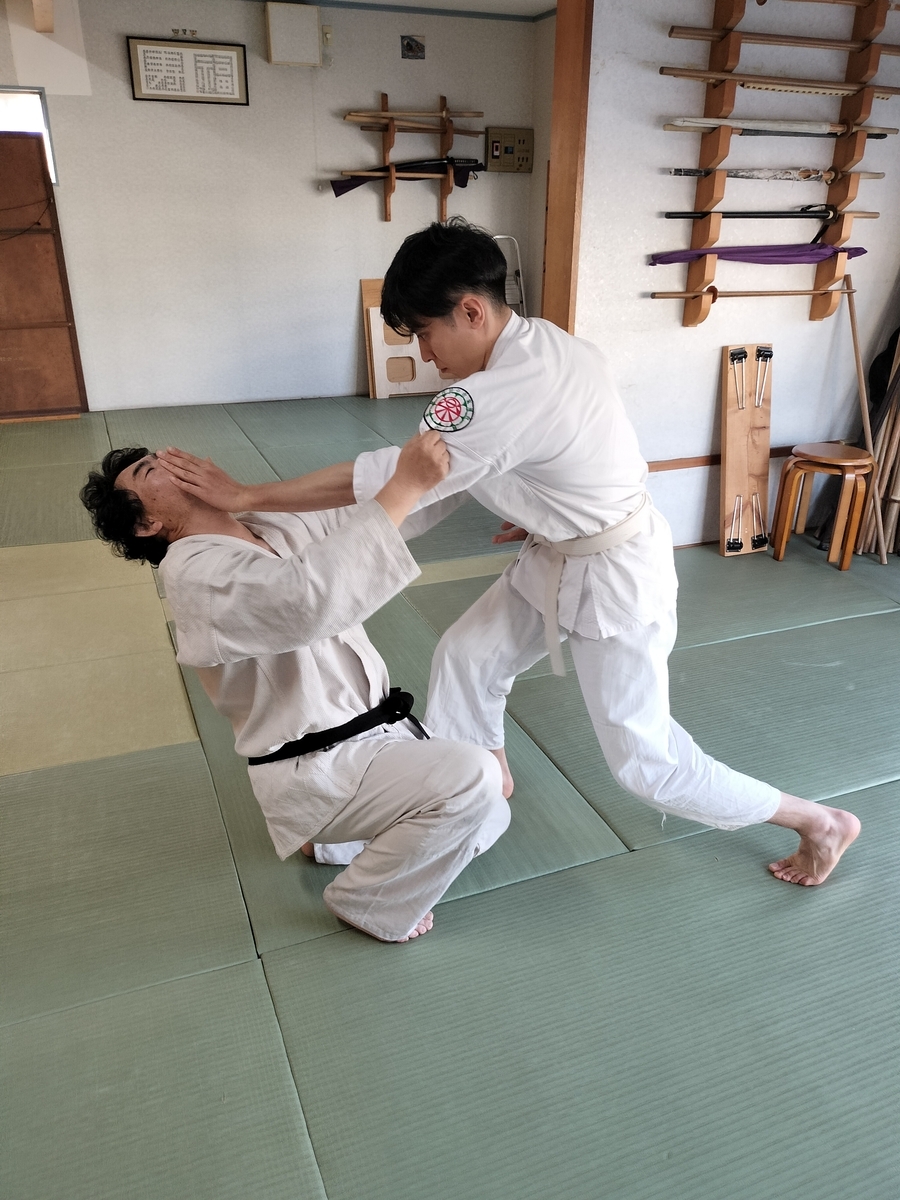
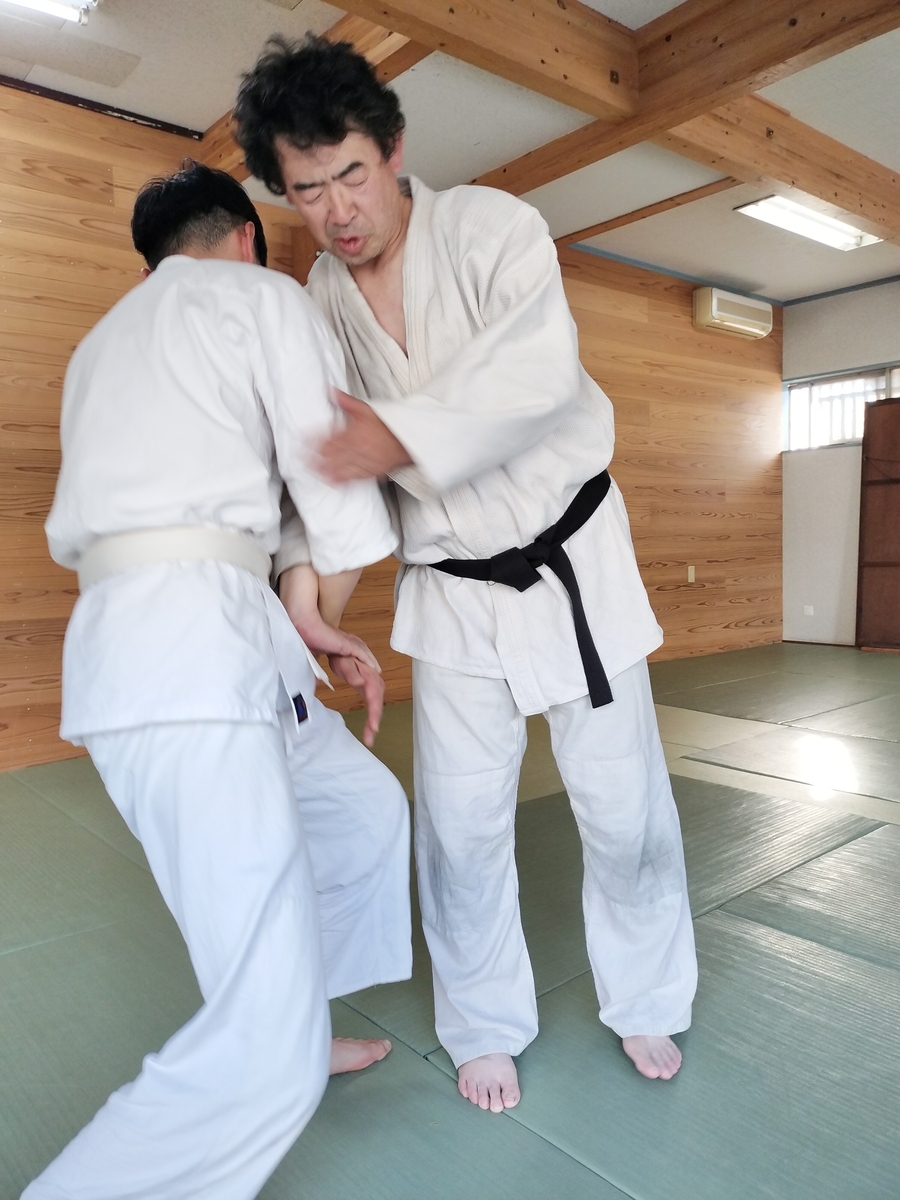
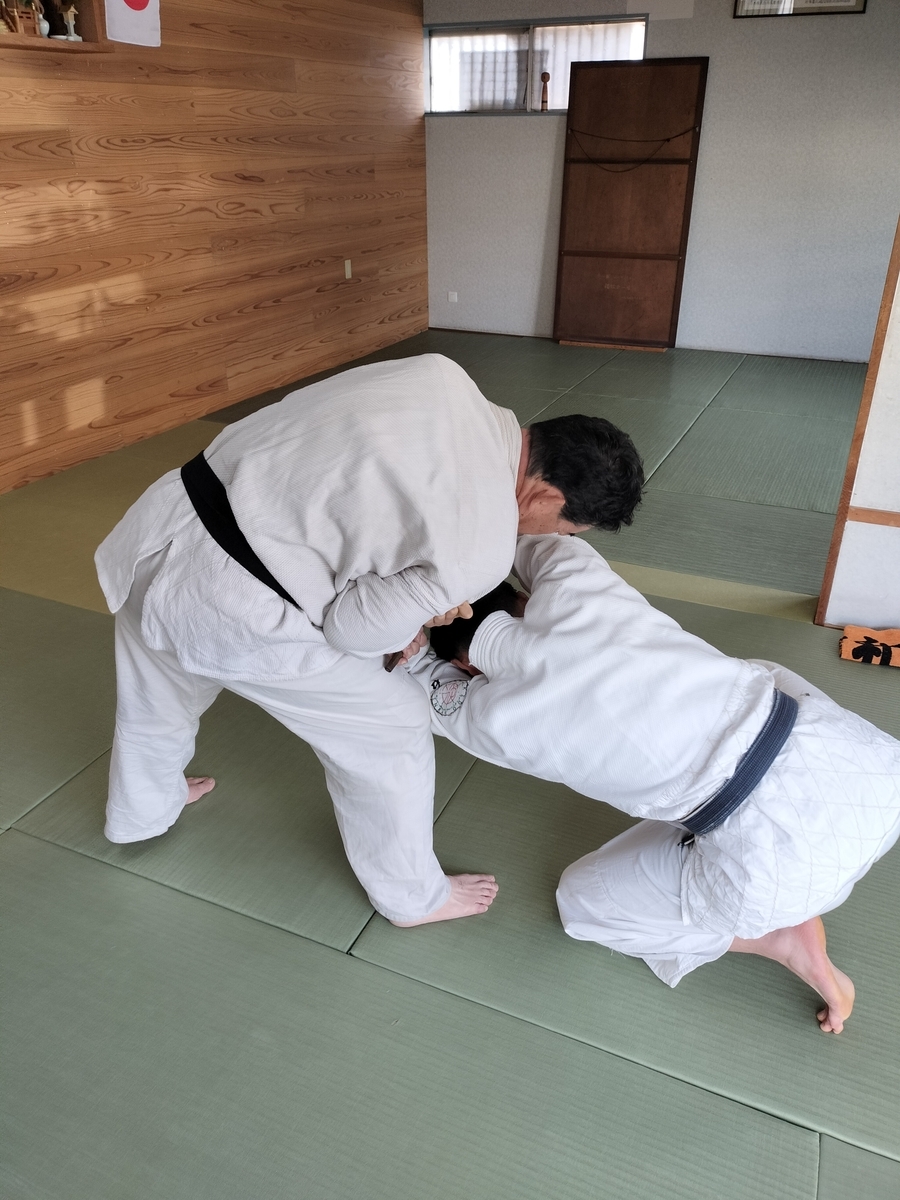
“Ōkura-den Asayama Ichiden-ryū Training Record 12”
— An Exploratory Account: Re-experiencing the World of the Martial Artists of the Past —
When I was young, I came to the conclusion that martial artists of the Edo and Meiji periods likely engaged in religious disciplines—such as Shinto, Shugendō, or Esoteric Buddhism—separately from their martial training.
Although I had no particular connection to Shinto or Shugendō, through circumstance I was given the opportunity to learn esoteric Buddhist practices from a monk of an esoteric tradition in a rural area.
At that time, my central question was this: What kinds of abilities did martial artists of the past acquire beyond the practice of kata?
As I performed ascetic practices at temples and shrines located in the foothills of low mountains in Tokyo and Kanagawa, events occurred repeatedly that defied common sense.
The same was true of practices conducted indoors.
Naturally, these were performed after kaigan kuyō—what might be called “ensoulment” in general terms—placing a consecrated Buddhist image and preparing ritual implements and offerings. Through a practice employing three ritual tools, I reached a point where I could hear the sound of a one-yen coin dropping from a distance of roughly one hundred meters.
However, I judged that hearing beyond this level would interfere with ordinary social life, and therefore discontinued the practice.
It was a curious experience: the noise of crowds in the streets was inaudible, while only the faintest sounds could be clearly perceived.
Furthermore, at many shrines and temples—famous or otherwise—most visitors merely pray for their own desires, rarely reciting sutras, mantras, or dhāraṇī that would bring joy to the Mitoshi-gami or to the honchi (the original Buddhist deity underlying a Shinto kami).
When such recitations were offered, it often occurred that the attendants of the Mitoshi-gami—animals or reptiles—were waiting on the ground outside the torii gate.
Unlike Ueshiba Morihei, I did not witness golden light descending from the heavens.
However, I did have experiences in which the shrine’s Mitoshi-gami appeared directly before my eyes.
These experiences were previously published on the blog of a Tendai esoteric Buddhist monk with whom I was long acquainted.
Through these ascetic experiences, I arrived at the conclusion that martial artists of earlier eras developed abilities—such as sensing an opponent’s movements or anticipating attacks, or discerning subtle sounds normally beyond perception—by undertaking various disciplines in addition to their martial training.
That said, in the modern era, one should not place emphasis on such ascetic practices.
Rather, priority should be given to proper training through the kata preserved within each martial lineage.
Takamasa Miyamoto

― 昔の武芸者の追体験・探究談 ―
私は若年の頃、江戸・明治期の武芸者たちは、武芸の稽古とは別に、神道・修験道・密教などの修行を行っていたのではないか、という結論に至った。
神道や修験道には特別な縁はなかったが、縁あって地方のある密教僧侶より、密教行を学ぶ機会を得た。
当時の私の関心は、「昔の武芸者は、型稽古以外にどのような能力を獲得していたのか」という一点にあった。
東京・神奈川の低山麓にある寺院や神社において行を重ねる中で、常識では説明のつかない出来事が度々起こった。
それは屋内で行う行においても同様であった。
無論、開眼供養――一般的な表現を用いれば魂入れを行った仏像を安置し、法具や供養物を揃えた上でのことであるが、三種の道具を用いる行を続けるうちに、百メートルほど先に落ちた一円玉の音が聞こえるようになった。
しかし、それ以上に音が聞こえる状態になれば、社会生活に支障を来すと判断し、その行は中止したことがある。
街の雑踏の音は聞こえず、ごく微細な音だけが明瞭に聞こえるという、不思議な体験であった。
また、有名・無名を問わず、多くの神社仏閣では、参拝者が自己の欲望のみを願い、御歳神や本地仏(神社においては、御歳神の本来の仏)がお喜びになる経文・御真言・陀羅尼を唱えることがほとんどない。
そのため、それらを捧げると、鳥居の外の地面に御歳神の御眷属――動物や爬虫類など――が待っているという出来事が、度々起こった。
植芝翁のように天から金色の光が降り注ぐといった体験はなかったが、神社の御歳神が眼前に姿を現すという体験をしたことはある。
これらの体験については、以前、旧知の天台密教僧侶のブログにおいて発表された。
以上の行の体験を通じ、昔の武芸者たちは、武芸の稽古に加えて様々な行を修めることにより、敵の動静や攻撃を予知する力、あるいは通常では聞き分けることのできない微細な音を感知する能力などを養っていたのではないか、という結論に至った。
しかしながら、現代においては、こうした行に傾倒するのではなく、流儀に伝わる型稽古に重きを置き、正しく稽古修行することこそが肝要であると考えている。
宮本隆正